
Moving matters

Interventions to increase physical activity

We know that keeping active is important for maintaining MSK health. The challenge is always how to encourage people to be more active. This themed review from NIHR provides some evidence about what works (and what doesn’t).

The review outlines evidence from over 50 studies of what is effective in getting people more active. Evaluations range from programmes in schools and communities to changes in transport and the environment, which are designed to promote greater activity.…

Read more of this article
The ESCAPE-pain programme in practice

Case study of improved mobility and independence

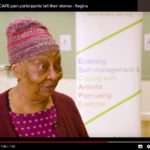
Listen to Regina’s story of how she overcame osteoarthritis and difficulties with mobility with the help of the ESCAPE-pain group at her local leisure centre.

The ESCAPE-pain Programme: Helping people with chronic joint paint to self-manage their condition and become more physically active

At 76 years old, Regina had been suffering with osteoarthritis for over ten years and it was having a big impact on her life physically and emotionally. “I was in a bad place; I was in a wheelchair to start with.”…

Read more of this article

Guest blog: What is Moving Medicine?

by Dr Hamish Reid, Consultant in Sport and Exercise Medicine, Moving Medicine design and development lead



Moving Medicine is an exciting new initiative by the Faculty of Sport and Exercise Medicine in partnership with Public Health England and Sport England. It is dedicated to spreading best practice, research and advice to clinicians and patients to create a healthier, happier and more active nation. On the 16th October 2018 the initiative was formally launched by the Honourable Matt Hancock, Secretary of State for Health and Social Care, headlining the flagship set of resources to support high quality conversations on physical activity across a broad range of chronic diseases including musculoskeletal pain.…

Read more of this article

Attend the annual ARMA lecture on physical activity

Taking place on Wednesday 21 November 2018 at 6pm in London.

Hear and debate three perspectives on physical activity at the Annual ARMA Lecture, this year in partnership with Versus Arthritis. Three outstanding speakers, Nick Pearson, CEO parkrun, Michael Brennan, Physical Activity Programme Manager, Public Health England and Claire Harris, Physiotherapist speak to the theme: More people, more active, more often: three perspectives on physical activity and musculoskeletal health

Physical activity is good for promoting musculoskeletal health and helps alleviate the symptoms of musculoskeletal conditions.…

Read more of this article

More people, more active, more often: three perspectives on physical activity and musculoskeletal health

The ARMA annual lecture will be on 21 November on the theme of physical activity. Three speakers will discuss three different perspectives on how to get more people, more active, more often. The event will discuss the roles of statutory, voluntary, private sectors and communities in addressing this important challenge.

  • the CEO of parkrun
  • the physical activity programme manager from Public Health England
  • a musculoskeletal specialist physiotherapist.

Look out for booking details coming soon.

Support ARMA and increase your MSK health

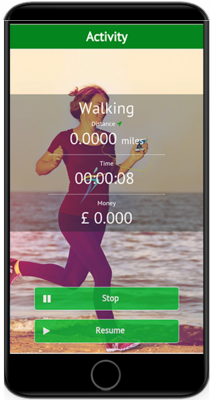
The Fit4Change app converts miles to money for charities, giving an extra incentive to take regular physical activity that will improve your MSK health. You can use it for running, walking, cycling and exercising indoors.
Just download the Fit4Change app to your phone, select Arthritis and Musc Alliance as your chosen charity, remember to start before you begin your activity and finish at the end, and the app does the rest. It’s a simple way to support our work – just remember to start the app whenever you start your activity.

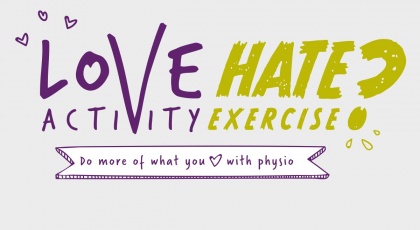
Love Activity, Hate Exercise? from the CSP

The Chartered Society of Physiotherapy launches a summer campaign which aims to tackle the growing issue of physical inactivity across the UK.

‘Love Activity, Hate Exercise?’ addresses the emotional as well as physical barriers millions of people with long-term conditions face in being more physically active.

The campaign is aimed at people aged 40-70 years old that are living with conditions such as arthritis, diabetes and heart disease, after research from the CSP found that more than 30% are completely inactive each week.…

Read more of this article

The Role of Physical Activity and Sport in Mental Health

Mental health problems are common and account for the largest single source of disability in the UK.

Recognising the many benefits physical activity can bring to mental health and wellbeing, The Faculty of Sport and Exercise Medicine UK and the Royal College of Psychiatrists with the support of Mind has published an evidence-based position statement: “The Role of Physical Activity and Sport in Mental Health“. The statement contains a guide to physical activity as an intervention for health professionals, sports participants, schools, parents and carers.…

Read more of this article

New Self-Management Event in Blackpool

Arthritis Action will be holding a new two-day Self-Management Event on 2-3 May 2018 between 2pm–4.30pm at Blackpool Central Library, Queen Street, FY1 1PX


The aim is to help attendees take control of the symptoms of their arthritis, covering topics such as:

  • The impact of physical therapies
  • How you can best manage your pain
  • The benefits of exercise and a healthy diet
  • Ways to work in partnership with healthcare professionals

This event will be free of charge and refreshments will be provided, and is open to all.…

Read more of this article

Physical activity, healthy eating and healthier weight toolkit

Business in the Community in association with Public Health England has published the sixth toolkit in the series “taking a whole-person approach to wellbeing“.

A lack of physical activity and poor eating habits leads to an unhealthy workforce. Around a third of adults in England are damaging their health through a lack of physical activity. In fact, one in four women and one in five men in England are defined as inactive, doing less than 30 minutes of moderate physical activity each week.…

Read more of this article