

 NRAS has been working with the social enterprise Good Boost, who champion the phrase “Move More, Have Fun, Feel Better.” Their mission is to create more affordable and accessible options for MSK community health services, and they use technology at the forefront for change.
With growing numbers of physiotherapy and joint surgery appointments postponed due to Covid-19, their team of physiotherapists, osteopaths, MSK researchers, software engineers and AI specialists recognised the need for solutions providing personalised support at home.…
Read more of this article
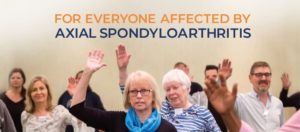 The NASS Facebook Live sessions have been running for about three years now, helping people to manage their axial SpA (AS) in unprecedented times and beyond.…
 Reumavid is a questionnaire investigating the consequences of the covid-19 pandemic on people living with rheumatic conditions in United Kingdom.
 Pain UK would like to alert you to the work of the Covid-19 Global Rheumatology Alliance, an organisation established to “collect, analyze and disseminate information about COVID-19 and rheumatology to patients, physicians and other relevant groups to improve the care of patients with rheumatic disease.”
 Right Start
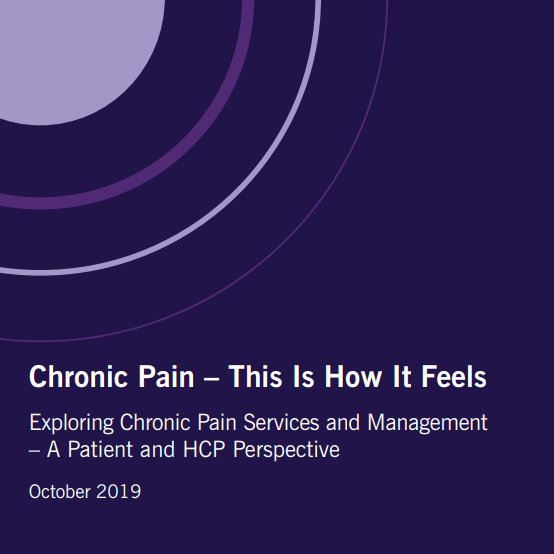 In October 2019 a report on chronic pain services and management from a patient and healthcare professional perspective was published. The research has highlighted a number of key insights and themes for how respondents felt that chronic pain services can be improved and made more equitable in the future. Pain is one of the common factors across all MSK conditions, so this is something which ARMA will be following up in the future.
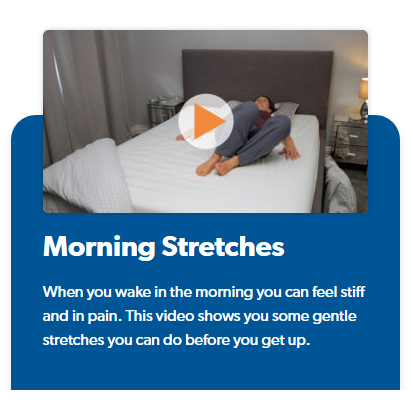 NASS has just released a new series of videos showing how everyone living with axial spondyloarthritis (axial SpA) – including people with ankylosing spondylitis (AS) – can fit some simple but very effective stretches into their daily life.
 Health Education England e-Learning for Healthcare (HEE e-LfH) has worked with Public Health England and Sport England to launch a new physical activity e-learning programme to help healthcare professionals to champion physical activity with patients.
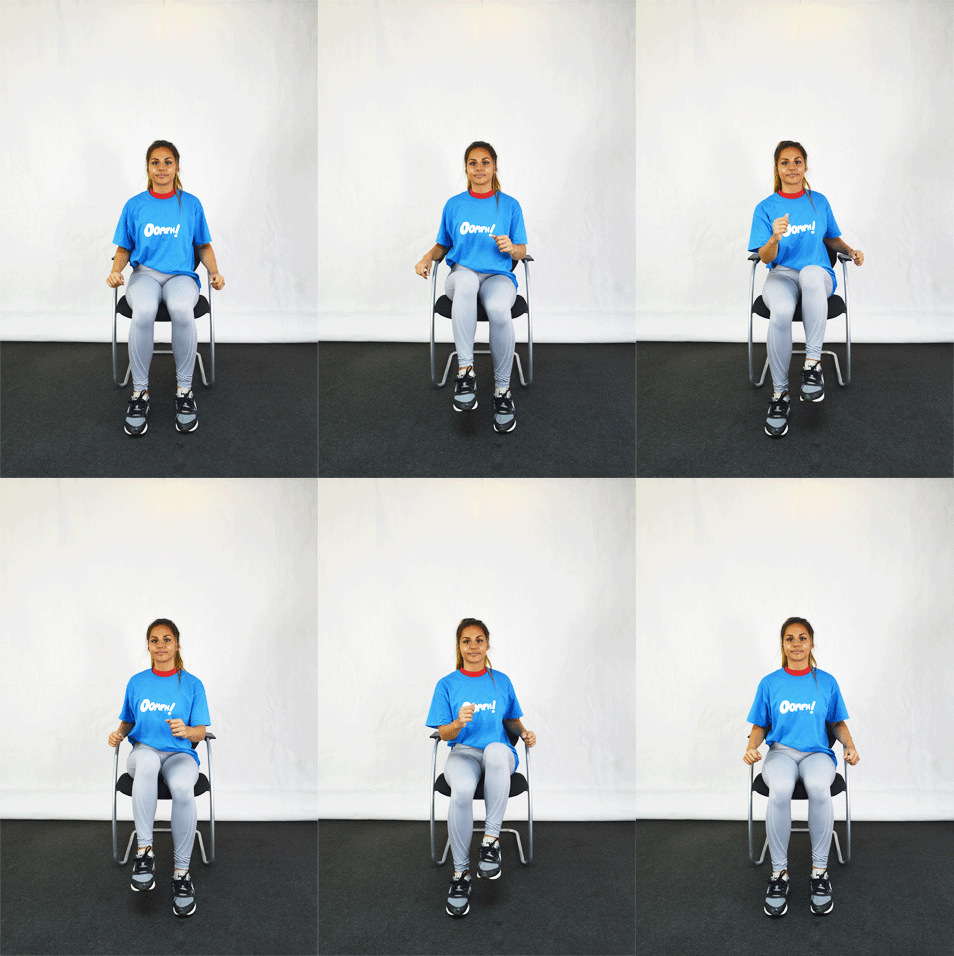
 The exercises were designed with the aim to recondition and build mobility and confidence in people who have not been keeping active. The can be viewed on
 EULAR has published a new lay summary: