
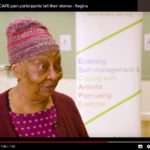
Case study of improved mobility and independence
Listen to Regina’s story of how she overcame osteoarthritis and difficulties with mobility with the help of the ESCAPE-pain group at her local leisure centre.
The ESCAPE-pain Programme: Helping people with chronic joint paint to self-manage their condition and become more physically active
At 76 years old, Regina had been suffering with osteoarthritis for over ten years and it was having a big impact on her life physically and emotionally. “I was in a bad place; I was in a wheelchair to start with.”…
Read more of this article

 Arthur’s Place has created and launched “
 Harnessing the power of social media to promote public health
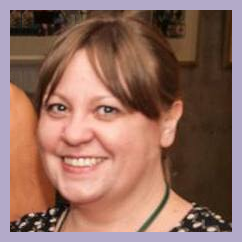 By Jill Hamilton, Professional Engagement Manager, National Ankylosing Spondylitis Society
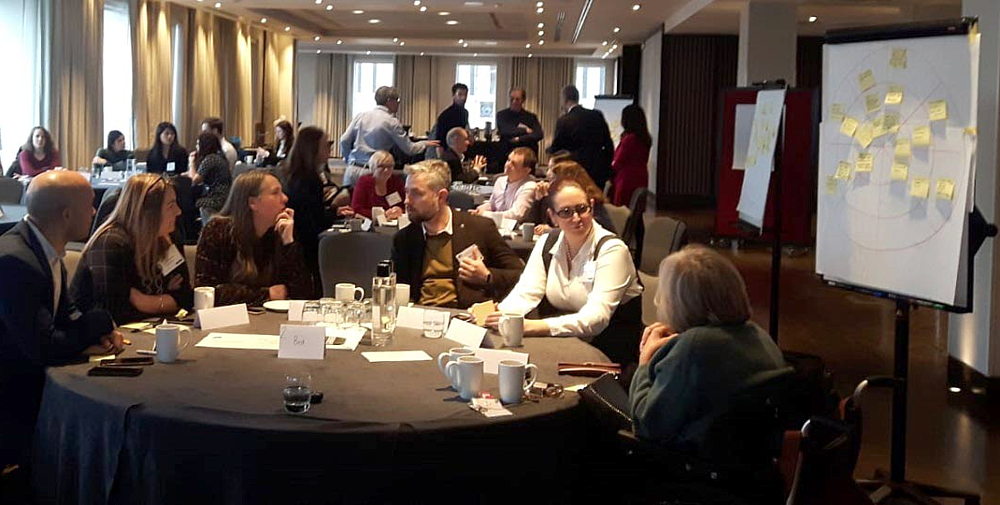
 In 2018 NASS held two community engagement conferences called NASS Voices, in Scotland and Northern Ireland, aiming to bring together people with axial SpA (AS), their families and friends, local rheumatologists, nurses, physiotherapists and others interested in the condition. The team wanted people to come with questions and leave with answers.


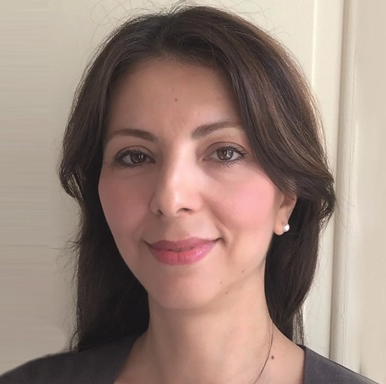 by Leyla Hannbeck, Director of Pharmacy at NPA
 Pain Alliance Europe launched a new survey on stigma and chronic pain. One of the main “fights” PAE is leading is for the pain patient to be heard, believed and understood. The most recent survey developed deals with stigma related to chronic pain and will be open until the 1st of March, 2019.
 There are only a few days left to apply for the prestigious EULAR Edgar Stene Prize Competition 2019. People with rheumatic and musculoskeletal disorders are invited to write about their personal experiences submitting essays on the topic of: