New2RA 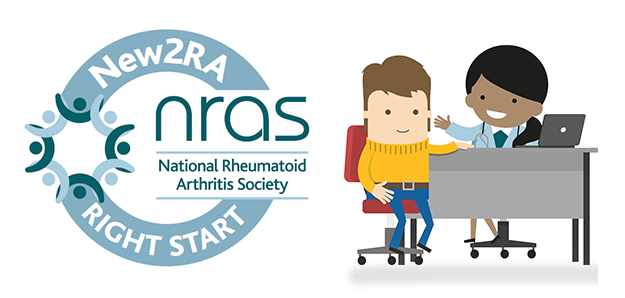 Right Start
The NRAS New2RA Right Start service supports people newly diagnosed with Rheumatoid Arthritis to understand their diagnosis and how it is likely to affect them. Getting the right, supportive start can help people to make adjustments to their behaviour, lifestyle and health beliefs and understand why self-management is essential, and learn how to make those important first steps to managing their disease effectively.
Further information can be accessed on the NRAS New2RA Right Start service page. This service is essential during this time for those newly diagnosed during the COVID-19 crisis, offering extra support when appointments are being delayed.…
Read more of this article

 ARMA holds its first ever multi-disciplinary MSK health conference – Working Together to change the face of MSK.
 NRAS is adapting to these challenging times and has been hosting live broadcasts via Facebook Live and webinars since the beginning of this crisis. You can watch any of the recorded sessions again on the


 Research funding awarded by Nuffield Foundation’s Oliver Bird Fund
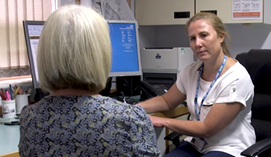 MSK First Contact Practitioner roles; are they fit for the future for Primary Care?
 The Society of Musculoskeletal Medicine has taken the step of postponing all its courses scheduled to run in the coming months to the end of June 2020 (see below for Injection Courses information). Alternative dates will be advised as soon as they are available. We shall be keeping the situation under review and will advise on any further steps as necessary.