

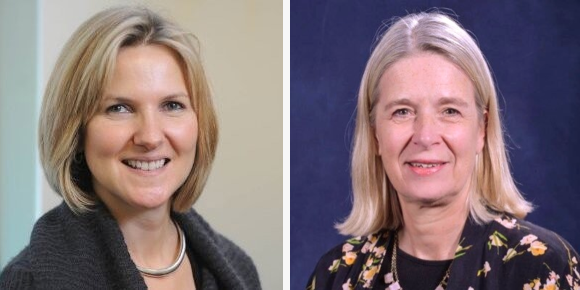
 Guest blog by Dr Alison Giles, Associate Director for Healthy Ageing, Centre for Ageing Better and Public Health England; and Elaine Rashbrook, Consultant Specialist, Life Course, Public Health England.
In October this year, Public Health England (PHE), together with the Centre for Ageing Better (CfAB) launched the Consensus Statement on Healthy Ageing. Over 70 organisations, including ARMA, have signed up and pledged to take action on the five principles set out in the Statement.
The average age at which people report a health condition or disability that interferes with daily life is just 62. …
Read more of this article
 October saw the launch of a new National Academy for Social Prescribing (NASP), to champion social prescribing and the work of local communities in connecting people for wellbeing. Its objectives include exploring new ways of sourcing statutory and non-statutory funding and brokering relationships between different sectors. Given the prevalence of MSK conditions, it is important that social prescribing has something to offer for MSK.
 Bone and Joint Week in October helps get people thinking about one of the most widespread and pressing health issues of our times – musculoskeletal health and the role each person in improving it. This year ARMA’s member organisations, Public Health England, NHE England, NHS Confederation and many other organisations collaborated during the campaign using
  ARMA joins Public Health England and the Centre for Ageing Better to make England the best place to grow old, because musculoskeletal health is vital to healthy ageing.
 In September, Public Health England published a report on their review of the scale, distribution and causes of prescription drug dependence, and what might be done to address it. This included findings on opioid use for non cancer pain. The report made recommendations for action to reduce the problems caused by dependency and stated that effective, personalised care should include shared decision-making with patients and regular reviews of whether treatment is working.
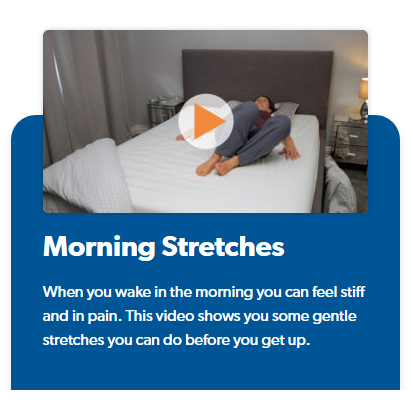 NASS has just released a new series of videos showing how everyone living with axial spondyloarthritis (axial SpA) – including people with ankylosing spondylitis (AS) – can fit some simple but very effective stretches into their daily life.
 NICE are developing

 The National Early Inflammatory Arthritis Audit (NEIAA) collects information on all new patients over the age of sixteen seen in specialist rheumatology departments with suspected inflammatory arthritis in England and Wales. The first report was published in October. The audit assesses seven key metrics of care provided for people with new symptoms of arthritis attending rheumatology services for the first time and makes recommendations for services, educators and commissioners.
 Health Education England e-Learning for Healthcare (HEE e-LfH) has worked with Public Health England and Sport England to launch a new physical activity e-learning programme to help healthcare professionals to champion physical activity with patients.