
 Bookings are now open for an upcoming series of free sport and exercise medicine seminars delivered by the Faculty of Sport and Exercise Medicine and the National Centre for Sport and Exercise Medicine that will explore current issues relevant to all SEM practitioners.
Running every Thursday evening in April, the sessions will feature presentations from leading clinicians and academics as well as those with lived experience. Exploring the importance of physical activity in areas like COVID-19 recovery and mental health, these seminars will deliver engaging, informative content that will help improve your practice.…
Read more of this article
 By attending this session attendees will be able to:

 The Kings Fund has produced an explainer on the health of people from ethnic minority groups in England. Whilst this doesn’t include MSK health, it does include several relevant determinants of health including physical activity levels, obesity, healthy diet, socioeconomic inequalities and access to services.
 The National Orthopaedic Alliance is running a series of webinars:
 Join NRAS for their first JIA Zoom event: Coping with JIA during COVID-19.
  In April, loin NRAS for a Zoom event for young people living with JIA:

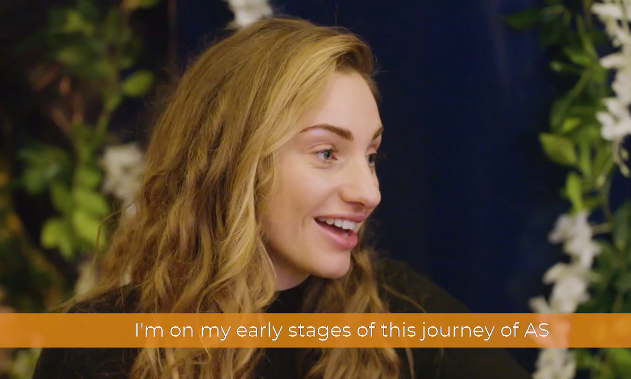 See Talia’s story in the BBC article, 15 January 2021:
 We are delighted to welcome a new ARMA member, Physio First.