
 The Pain Alliance Europe is inviting people with chronic pain or their caregivers to take part in their 2021 survey on diagnosis and treatment. It’s available in 15 languages.
This is a second version of the survey The Pain Alliance Europe conducted in 2017. It will compare the responses from four years ago with the situation now, to see if there have been improvements over time.
PAE will use the survey results as a snapshot of the lives of people with chronic pain across Europe – the picture may vary from country to country.…
Read more of this article
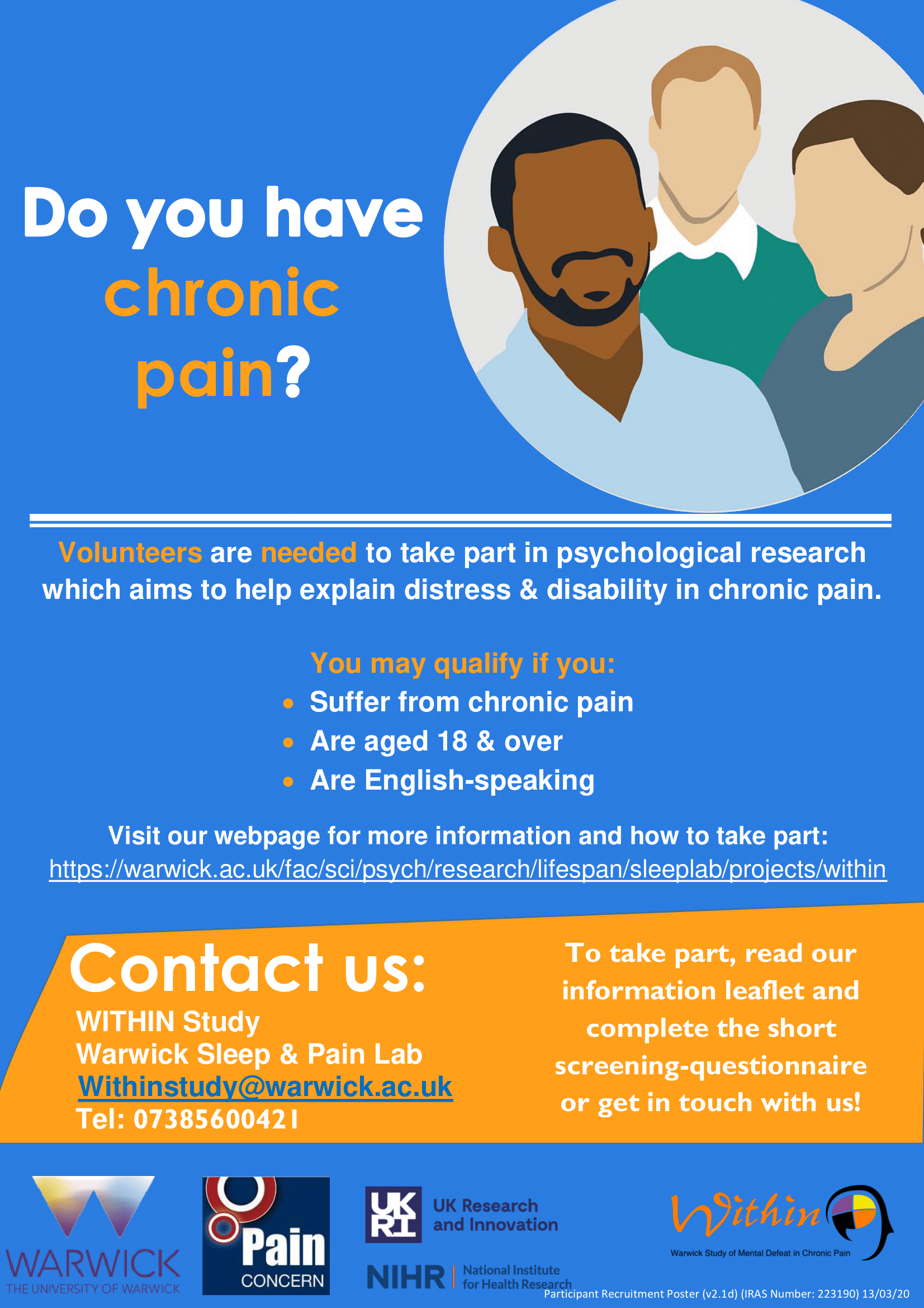




 Researchers at Liverpool John Moores University (LJMU) are aiming to understand chronic pain experiences in and out of the UK’s current lockdown. Individuals are invited to participate in the survey.

 Summary of article published in Rheumatology Advances in Practice on 5 January, 2021
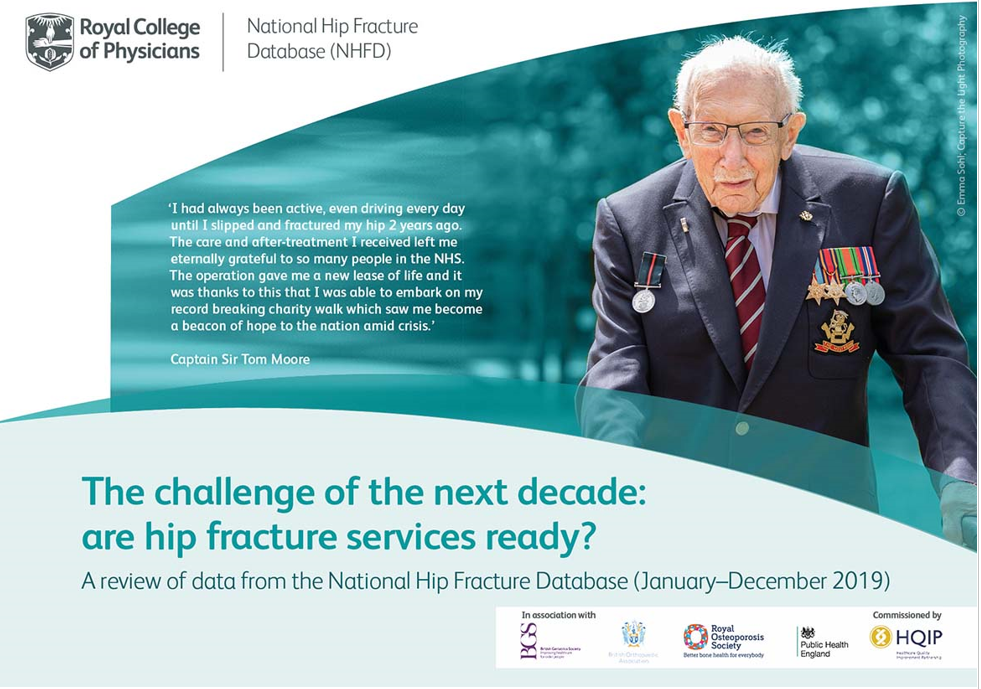 The challenge of the next decade: are hip fracture services ready?
  RA disease impact in patients not treated with advanced therapies; survey findings from the National Rheumatoid Arthritis Society
 Recently, Pain Alliance Europe conducted a 6-week short survey on Covid-19 and chronic pain in twelve languages to see the current situation of chronic pain patients in Europe.