

 The Welsh Government has published its draft ‘Living with persistent pain in Wales guidance’ for consultation and is seeking views on the draft guidance which will replace the Service Development and Commissioning Directive for Chronic Non-Malignant Pain 2008.
The consultation is on the proposed direction of the draft guidance, which includes: living with pain, supported self-management and health service provision.
More information on the consultation, together with the draft guidance, can be downloaded from the gov.wales website.
The consultation ends 14 September 2018.…
Read more of this article





 The new NHS Workforce Health and Wellbeing Framework is now available. This is the result of two years’ work with NHS organisations, NHS Employers, NHS Improvement, Public Health England and a range of voluntary sector and government partners. The NHSE appreciate the MSK-specific expertise that we have shared with them on behalf of ARMA.
 Chair of the Council for Work and Health
 The Association of Directors of Public Health has just published a series of statements examining good health across the life course, which are
 The UK Government’s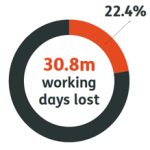
 The State of Musculoskeletal Health 2018 is a resource for health professionals, policy makers, public health leads and anyone interested in musculoskeletal health. We believe that with the best information you can build awareness, make more informed decisions, feel more confident and ultimately help more people with musculoskeletal conditions. The resource was put together by Arthritis Research UK.
 Health Education England, together with South, Central and West Commissioning Support Unit, has developed an easy-to-use tool to support clinicians, managers and commissioners in their efforts to forecast and monitor the impacts of MSK self-referral to first contact practitioners (FCP).