

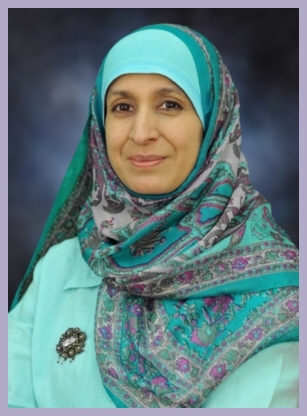
 Guest blog by Ms. Nuzhat Ali, National MSK Lead, Public Health England
Health inequalities are avoidable, unjust differences in people’s health that are persistent and difficult to shift, until and unless we actively focus on them as a society and a whole system.
People living in the most deprived areas in England can expect to spend nearly 20 fewer years in good health compared with those in the least deprived areas. The trajectory and the scale of the inequity worry me for at least three reasons – it is:
- A societal injustice, one that has serious consequences for us all in many ways
- A factor in slowing down life expectancy and healthy life expectancy
- Increasing demand for health care which equates to increasing costs
Health is dependent on so much more than healthcare. …
Read more of this article

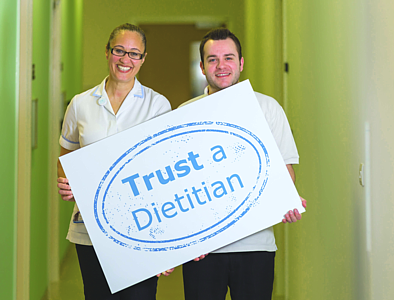 The Allied Health Professions most commonly associated with arthritis and MSK conditions are probably our colleagues in Physiotherapy and Occupational Therapy, but the British Dietetic Association (BDA) believe dietitians have a key role to play in supporting patients and working with colleagues as part of multidisciplinary teams to prevent and treat these conditions.
 Chair of the Council for Work and Health
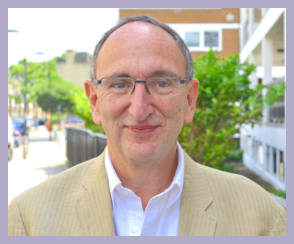 Guest blog by David Albury, Board Director Innovation Unit
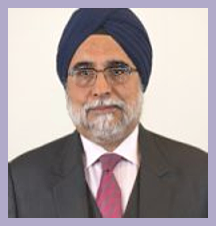 Guest blog by Satjit Singh, Chief Executive, Society for Promoting Chiropractic Education
 Guest blog by Alison Trewhela, Director of the Yoga for Healthy Lower Backs Institute
 by Jane Green BSc. (HONS) Psych., PGCE, Av.Dip. Ed. Child Development, MA Ed. (Leadership and Management / autism)
 Guest blog by Robbie Turner, Director of England, Royal Pharmaceutical Society


 Guest Blog by Paul Hitchcock, Chief Executive, The British Acupuncture Council