 Guest blog by Stephen Mack-Smith BSc, DC, MRCC. MEAC
Chair, North Wales ARMA
I received a letter about 14 years ago from my professional association looking for volunteers to join an umbrella group of patients and professionals with an interest in MSK problems. Funding for three years came from the English NHS, and fortune had it that owing to lobbying from North West Wales professionals within ARMA, a Pilot ARMA Network Group was formed in March 2007. It was the only one in Wales.…
Read more of this article
 Amanda Hensman-Crook, AHP National Clinical Fellow from Health Education England, led a vibrant keynote speech at the recent Institute of Osteopathy Convention. Amanda focused on First Contact MSK roles and the Advanced Practice agenda and how osteopaths are part of the contemporary healthcare environment to support MSK service delivery.
 We are all aware of the increasingly desperate need to restore NHS services. Our patient member organisations tell us of the calls they are getting from people who can’t access the services they need. Private practitioners such as physiotherapists, osteopaths and chiropractors report high levels of activity as those who can afford to pay for services, and their concerns about those who can’t afford to pay. Clearly this must be a priority, but how can we do this differently, not just pile pressure on an exhausted and depleted NHS workforce?…
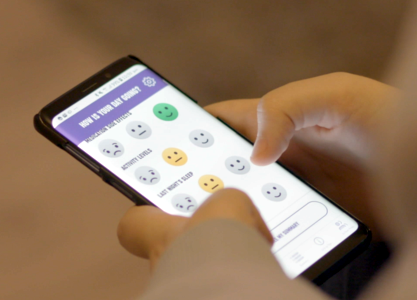
 After a successful launch last year, Versus Arthritis has exciting news about the next evolution of their free app, “Arthritis Tracker”. Available on Android and iPhone, the symptom and wellbeing tracker can help health professionals make the most of the time they have with patients and quickly get an understanding of some the key issues that a young person is facing, leaving more time to discuss treatment options.

 The 2021 NOA Annual Members’ Conference held on 20 October was an opportunity for staff representing NOA member organisations, patient representatives and NOA partners from across the country to share achievements, address shared challenges and discuss what’s in store for orthopaedics in the future.