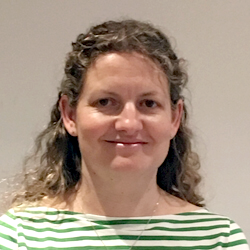
 Guest blog by Emily Earle
Emily’s 12 year old daughter was diagnosed with JIA in 2010 at the age of 2. Emily now volunteers for the charity ‘CCAA – Kids with Arthritis’ running their local area network of support groups. CCAA offers support to children with JIA and their families across England and Wales.
Life with a child who has a medical condition can be challenging at any time. Families usually manage because we have to. Quite simply, we do not get the choice to say: ‘No thanks!…
Read more of this article
 The coronavirus pandemic has changed the delivery of healthcare services, creating challenges for healthcare professionals and people living with musculoskeletal conditions. Patients are increasingly required to monitor their own disease activity and report on their condition during remote or virtual consultations.
 Bookings are now open for an upcoming series of free sport and exercise medicine seminars delivered by the Faculty of Sport and Exercise Medicine and the National Centre for Sport and Exercise Medicine that will explore current issues relevant to all SEM practitioners.
 By attending this session attendees will be able to:

 The Kings Fund has produced an explainer on the health of people from ethnic minority groups in England. Whilst this doesn’t include MSK health, it does include several relevant determinants of health including physical activity levels, obesity, healthy diet, socioeconomic inequalities and access to services.
 The National Orthopaedic Alliance is running a series of webinars:
 Join NRAS for their first JIA Zoom event: Coping with JIA during COVID-19.
 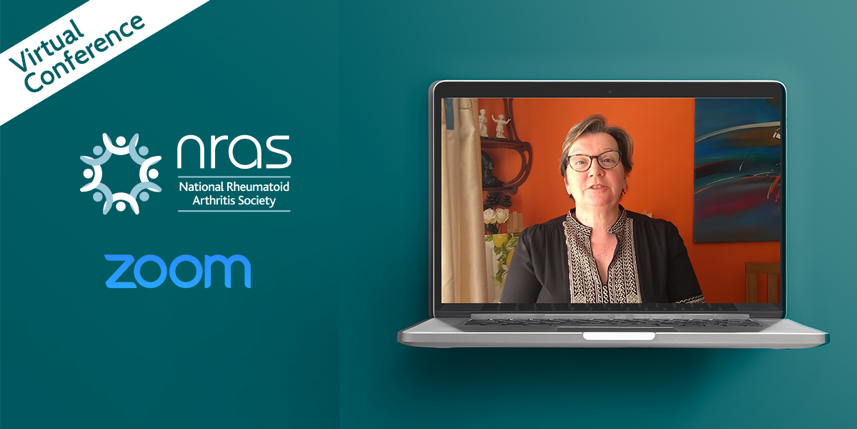 In April, loin NRAS for a Zoom event for young people living with JIA: